

The Center, A Place of Hope, provides leading edge help for depression and other mental health issues. The Gurian Institute has worked with the Center and its late founder, Dr. Gregg Jantz, for more than twenty years
Today’s blog post features information and wisdom from The Center on how to understand male depression. As Michael Gurian has explored in Boys, A Rescue Plan (2025) and Saving Our Sons (2017), male-type depression is somewhat different than female-type depression. Understanding this male/female brain difference can save lives.
Dear Friends,
For many men, depression may not show up as persistent sadness or tearfulness. Instead, it can look like irritability, anger, physical aches and pains, withdrawing from relationships, or increasingly turning to alcohol or other ways of numbing difficult emotions. Because these signs don’t always fit the picture people have of depression, they can be easy to dismiss as stress, burnout, or simply “going through a rough patch.”
That’s one reason recognizing depression in men is so important. When changes in mood, sleep, energy, relationships, substance use, or interest in activities persist and begin affecting everyday life, they may be signs that something deeper is going on. And acknowledging those changes is not weakness—it can be an important first step toward getting the right support.
In our latest blog, Depression in Men: Why It Looks Different and Often Goes Unnoticed, we take a closer look at the ways depression can present differently in men, why symptoms are so often missed, what warning signs to watch for, and when it may be time to seek professional help.
If you or someone you care about has been struggling with depression, or something simply hasn’t felt right for a while, our Admissions Team is here to listen, answer questions, and help you understand what treatment at The Center could look like.
With HOPE,
Candace Lane
Related News

September is Suicide Prevention Month. Someone in your community will have taken their own lives or attempted …
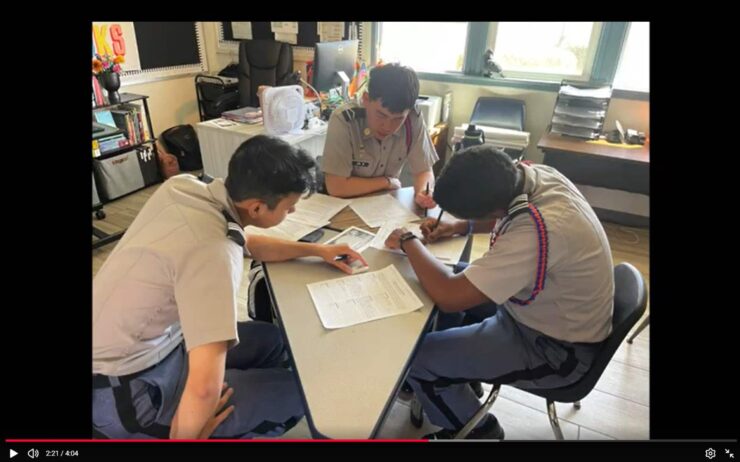
From Michael Gurian: I spent last weekend at Army and Navy Academy, a boys boarding school in Carlsbad, …

On September 18, I attended the Virginia Blueprint: Strategies for Boys and Men Conference at the Virginia General …